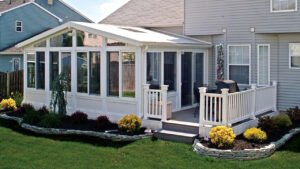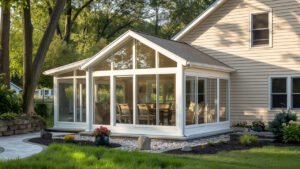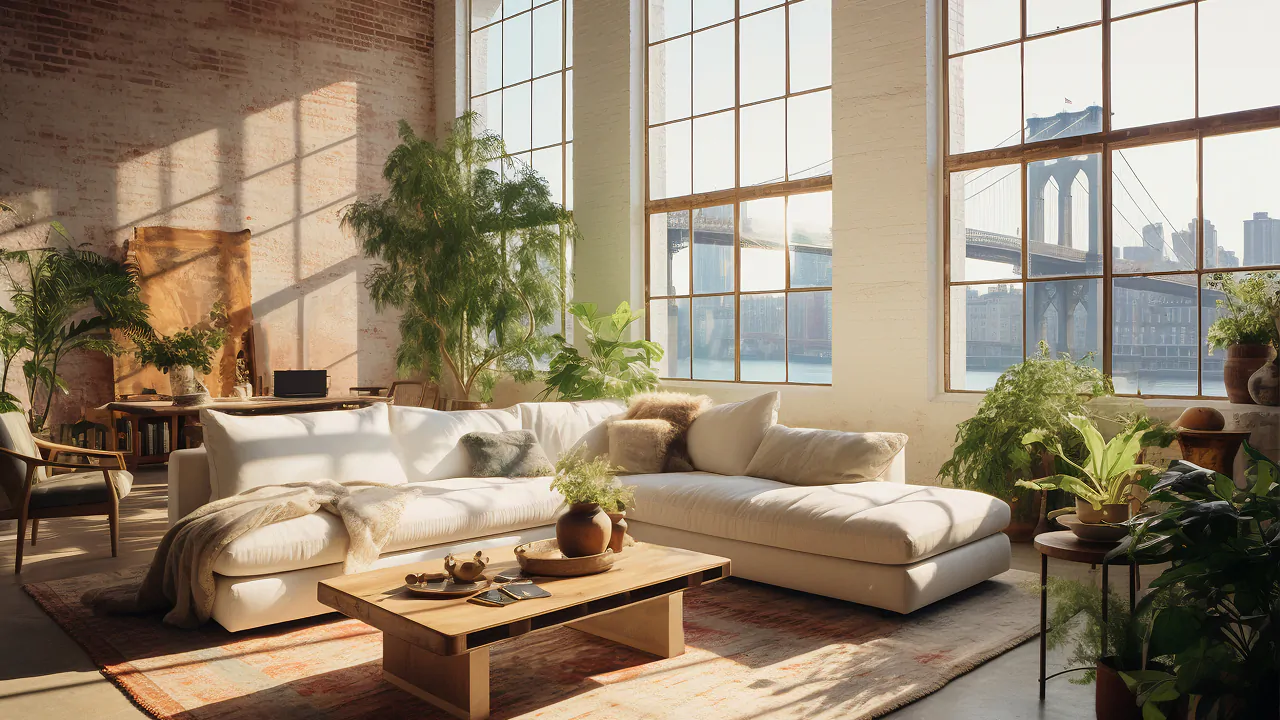
Sunrooms are a popular choice as they bridge the gap between the inside and outside of your home. A sunroom addition provides homeowners with lots of natural sunlight in a versatile space provides homeowners with lots of natural sunlight in a versatile space. A complete sunroom kits guide can make the decision process much easier.
Used for morning coffee, garden plants, a reading nook, or an extension of the living area, glass rooms are a win-win option to enhance the quality of a home.
In a world of rushed lives, they have become more appealing as living lifestyle preferences have changed. Nowadays, more people are looking for tranquil, well-lit spaces to relax, do hobbies, and even work from home so this sunroom kits guide is very useful.
The Growing Trend of Modular Conservatory Kits

The invention of modular Solarium kits has made it a convenient and cost-effective alternative to having a custom-built sunroom. In simpler terms, these kits are complete engineering systems that include all the structural elements and materials needed for solarium construction.
It requires less time to install at a reduced cost with little to no architectural complexity over standard construction. These kits and others like them have made it possible for anyone to build a DIY Sunroom themselves.
They are now available online or at home improvement retailers in packages that cater to a range of budgets and uses.
What is a Sunroom Kit?
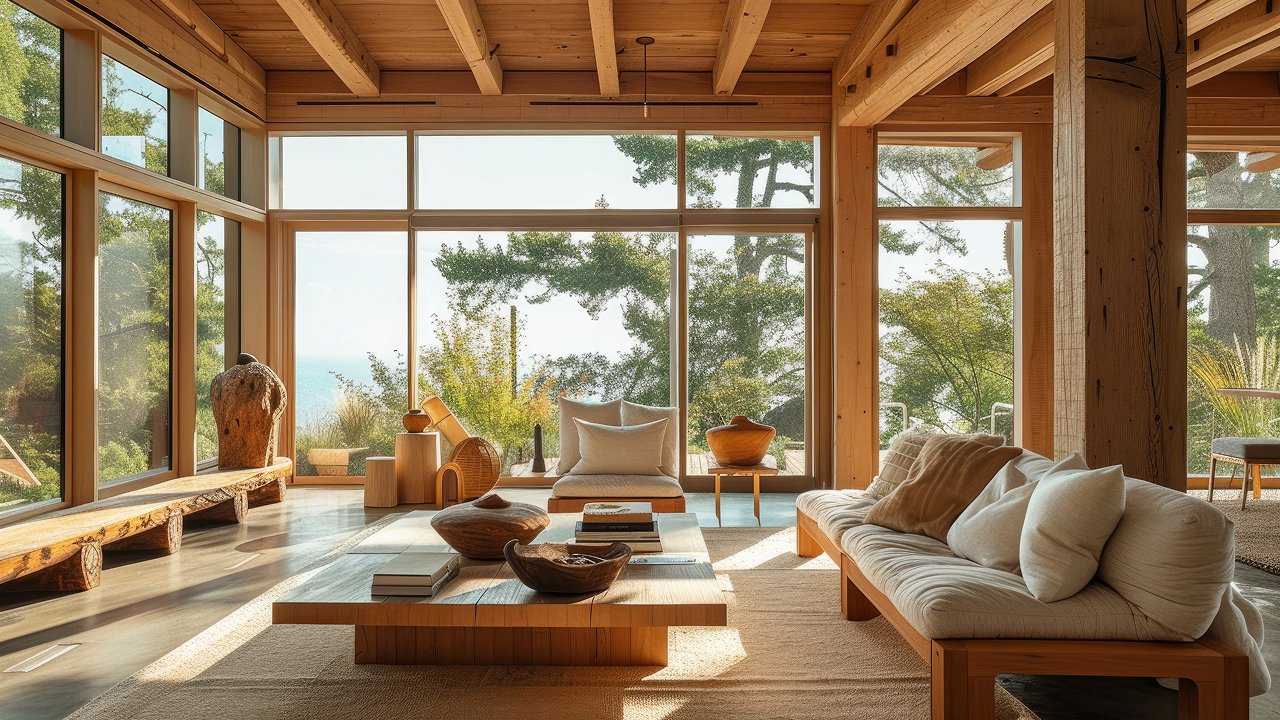
Sunroom Kit – A Solarium kit is a ready-to-install solution that has all the materials needed to build a glass room. Most of these kits are sold as an existing system that will be built onto a patio, deck, or slab.
Kits offer a standard format and features, making installation easier for homeowners or local installers. You don’t need architectural planning & professional contractors for this.
A typical conservatory kit will include a frame (usually aluminum or vinyl), roof panels, wall panels (glass or polycarbonate), screens or windows, and all the necessary fasteners and assembly hardware.
More costly kits will additionally contain insulation layers, weather-stripping hardware, and perhaps even skylights or ceiling fans built right in.
Note: It does not include flooring in it, so you’ll need to plan for Sunroom floor options such as tile, laminate, or wood.
Types of Sunroom Kits

There are several types of solarium kits available, depending on how and when you plan to use the space:
3-Season Kits
These are designed for spring, summer, or fall. They typically feature single-pane glass or polycarbonate panels and may not be insulated.
They have great light and outdoor views, but can be very cold during winter unless you bring a small portable heater.
4-Season Kits
The first type of solarium kits available is a 4-season sunroom for year-round comfort. They encompass insulated wall and roof doors, thermal glass in steel casings, and weather-tight seals.
These kits can be attached directly to your HVAC system or come with dedicated heating and/or cooling units. It makes them a more permanent and climate-controlled extension of your living space.
Solariums
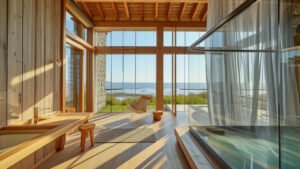
These are glass-enclosure sunrooms, which are essentially a greenhouse fix and have curvy or facet glass roofs. Because of its solarium, it becomes optimized with sunlight and views.
At the same time, it requires good insulation and ventilation to prevent excessive heat differences from creating shocking contrasts.
Screen Room Kits
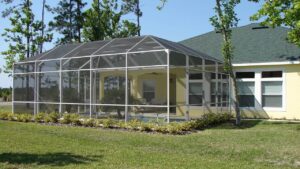
These basic-level kits are the most affordable, given the mesh walls that allow for increased air and light penetration but keep bugs at bay.
They are best for decorating for a few time and are frequently place upon decks or patios in seasonal climates.
Materials Used in Glass Room Kits

Here is a guide of materials used in making of sunroom kits;
Frame Materials
Most conservatory kits are available with aluminum, vinyl, or wood frames:
- Aluminum is lightweight, rust-resistant, and strong enough to be structural. Aluminum usually comes with powder-coating to match the home décor and to prevent corrosion.
- Vinyl frames are strong, very low-maintenance, and offer good insulation. They usually have a modern and clean look, but do not have structural strength like aluminum does.
- Wood is a timeless material; it is very elegant and can be painted or stained to fit into the existing architecture. It requires a lot more maintenance than aluminum & vinyl. If wood is not in seal to prevent moisture or pests, it will rot and may attract wood-boring pests.
Glazing Materials
Glazing is the clear or translucent material in the wall or roof of the glass room.
- Glass is usually preferable for its transparent nature, strength, and soundproofing ability. For the four-season kits, double or triple panes are available, making for a more energy-efficient product.
- Polycarbonate panels are much lighter than glass and have a higher impact resistance. They can be clear, frosted, or tinted with UV protection. However, they can scratch easily and begin turning yellow over time.
Factors to Consider Before Buying
Choosing the appropriate sunroom for your home is going to mean looking at many factors. It all starts with the basics – where you live and what you plan to use the solarium for. If you live in an area where winters can be brutal, you may want to think about a 4-season insulated patio room kit. If you live in a moderate climate, then a 3-season or screen room may be sufficient.
Think about how you intend to use the space: are you going to have a study, a breakfast nook, or a multipurpose family room? Different uses of the space will require different layouts, lighting, and varying insulation.
Related Pick: Sunroom Window Buying Guide
Orientation also matters. South-facing sunrooms receive the sun all day long, but can also become very hot in the summer unless properly ventilated and shaded. Conservatory with a northern exposure are often cooler than those with southern exposure, as they receive less sunlight, and may need the addition of extra lighting.
Lastly, the condition and connection of the place matter too, and can restrict the kit you can get. Will it be a standalone building, or will it be some addition to an existing one? Be sure to also measure appropriately so it will fit with your home’s architecture and take up the right amount of space.
Installation Process Overview

Installing a sunroom kit is a planned procedure you can do, depending on the quality, type, and complexity of the sunroom kit you are purchasing. Some kits include instructions, or you can follow along with helplines or instructional videos from some manufacturers.
A typical series starts with the groundwork. Most sunroom kits guide require a flat, concrete slab, deck, or patio base. After the base is prepared, the frame is applied. The roof sections are then fit and seal at all locations, and the uncover seams goes under inspection before final assembly is complete.
You Might Like to Read: Sunroom Design Inspirations
Installation for screen rooms would only be a weekend and up to a week or more for a full 4-season kit, based on size and style. Some of the more basic kits are simple enough that one or two humans can install them with just a few basic tools. While others involve the use of ladders, drills, sealants, and perhaps even a little electrical work if you’ve got fans or lights to install.
DIY vs. Professional Installation
The DIY installation is attractive to homeowners with limited carpentry experience. It cuts way down on labor costs and allows you to get in on the home-building process. But it also presents risks: improper assembly, misalignment, or code violations can lead to structural problems and water damage over time.
Even the most difficult and complex types and the 4-season climate-controlled sunrooms will be code-compliant and structurally sound when professionally installed. This is also a good way to help ensure warranty compliance and municipal sign-offs. That’s another benefit to working with licensed contractors or accredited installers.
As a rule of thumb:
- DIY is appropriate for small-scale, seasonal kits
- Insulted sunrooms, HVAC-connected sunrooms, and electrical-integrated glass rooms are best installed by a professional.
For both approaches, a sunroom kits guide can give clarity on whether to tackle it yourself or hire experts.
Cost Breakdown & Budgeting
Solarium kits range in price based on size, materials, and features.
- Screen Room Kits: $1,500 to $5,00
- 3-Season Sunroom Kits: $4,000 to $12,000
- 4-Season Heat Information: $10,000 to $25,000+, depending on glass type and insulation
- Solariums or Customizable Kits: These can range $15K and can cost up to $30K or more
Additional costs include:
- Labor: $2,000 to $10,000 (if hiring a team of professionals)
- Permits and Inspections: $100 to $1,000 per jurisdiction
- Foundation Prep or Deck Reinforcement: $1,000 to $5,000
- Add-Ons: Flooring, HVAC tie-in, lighting controls, blinds
- We recommend a 10–15% buffer in your budget for emergency costs during setup or customization.
Permits & Zoning Considerations
When purchasing a Conservatory kit, it is a recommendation to check with your local building department to determine if they require zoning and permits. These might be even more local-specific and may require setback requirements, maximum building heights, fire safety regulations, energy codes, etc.
You may need to submit:
- Kit blueprints or structural drawings
- Site plan showing sunroom placement
- Contractor credentials (if applicable)
There could be a few extra sets of constraints that may be in place by homeowner associations (HOAs), including color and roofing material, or visibility from the street. If you don’t obtain the permits and get caught, you could get fined, or they’ll require you to take them down or whatever.
Frequently Asked Questions
Some manufacturers’ semi-custom options may be frame color, roof style (gable/studio), window design, or door position. Sure, full custom designs cost more and can require more engineering, and, on the flip side, many kits do permit some customization.
The majority of the kits are modular and can also be add into, depending on the brand. Some instructions may be needed to order matching elements, and we may also change walls in use! Consider potential growth when choosing your first kit.
There are different warranties that the brands impose. However, the rule of thumb for frames is going to have warranty for 10 to 20 years, while the glass is for 5 to 15 years. And, the hardware/labor is for one to five. Inspect the fine print to see if coverage is provided on normal use and if a DIY install will not void the warranty.
Flooring is something that is not a part of the sunroom kits, although it can be an addition. While some 4-season kits offer insulation for the floor. In general, the floor also will be a separate task: tile, laminate, wood, carpet, whatever works best for your purposes and climate.
Conclusion
Conservatory kits offer a simple approach to building a solarium onto your home without the complications of traditional construction. It offers everything from simple screen enclosures to four-season rooms with walls of glass and climate control; there’s a kit for nearly every lifestyle and budget.
Success is always in the preparation: know what you’re trying to achieve, have a handle on your local building regulations, and evaluate your installation. Whether you’re a weekend warrior DIY enthusiast or are going to hire a professional, the best sunroom kits guide for your home will endow your home! You’ll be rewarded with lasting value, improved comfort, and the convenience of bringing the outdoors inside.
Related Pick: Sunroom Cost Estimate